 Switzerland
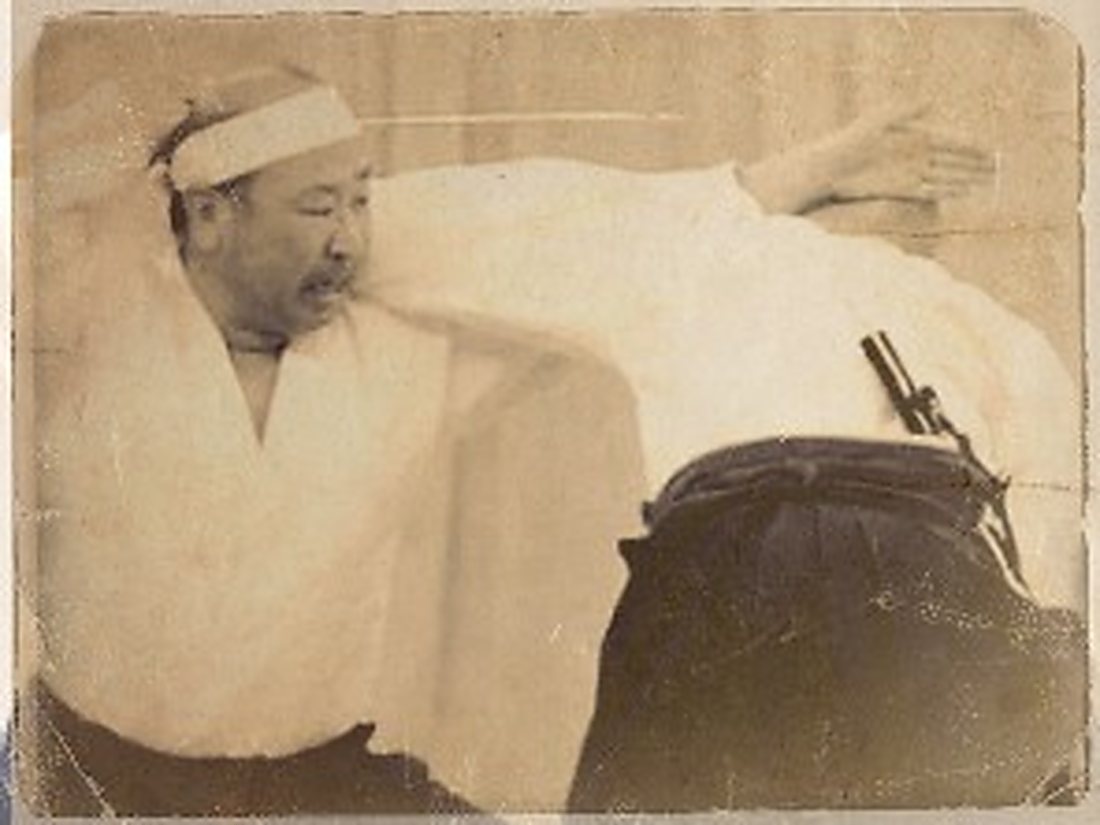
Origin
The school goes back to Takenaga Hayato, a warrior from the province of Sendai in northern Japan who studied with the Yagyū family in the 17th century and combined their principles with the local fighting tradition of his region. The name Shingan — "heart and eyes" — names the aim: a perception that is ahead of the opponent because it does not fasten on detail.
The concept towards which everything runs is called mushin: a state without thought, in which the reaction no longer follows perception but coincides with it.
What is trained
Yagyū Shingan-ryū is known above all for its Jūjutsu — powerful, close, with throws, joint techniques and Atemi. Characteristic is that the system treats two situations separately: fighting in armour (kacchū) and in ordinary clothing (suhada). The techniques differ fundamentally, because an armoured opponent grips, falls and strikes differently.
To these are added Kenjutsu, Iai, Bōjutsu and Naginata.
Unusual, and formative for the school, is the physical conditioning: Tanren, a systematic conditioning with heavy implements that precedes the technical training proper. Equally unusual is the transmitted healing tradition — bone-setting and manual treatment as part of the curriculum, not as an accessory.
In Switzerland
The CERN Martial Arts Club in Meyrin has run a Bujutsu section since 2005, teaching according to the principles of Shimazu Kenji Sensei, the 19th Sōke of the line. Training is bilingual, in French and English, and the club is expressly open to people who do not work at CERN.